Everything a brand needs from first sketch to first sale, under one roof.
Your brand before anyone says a word about it.
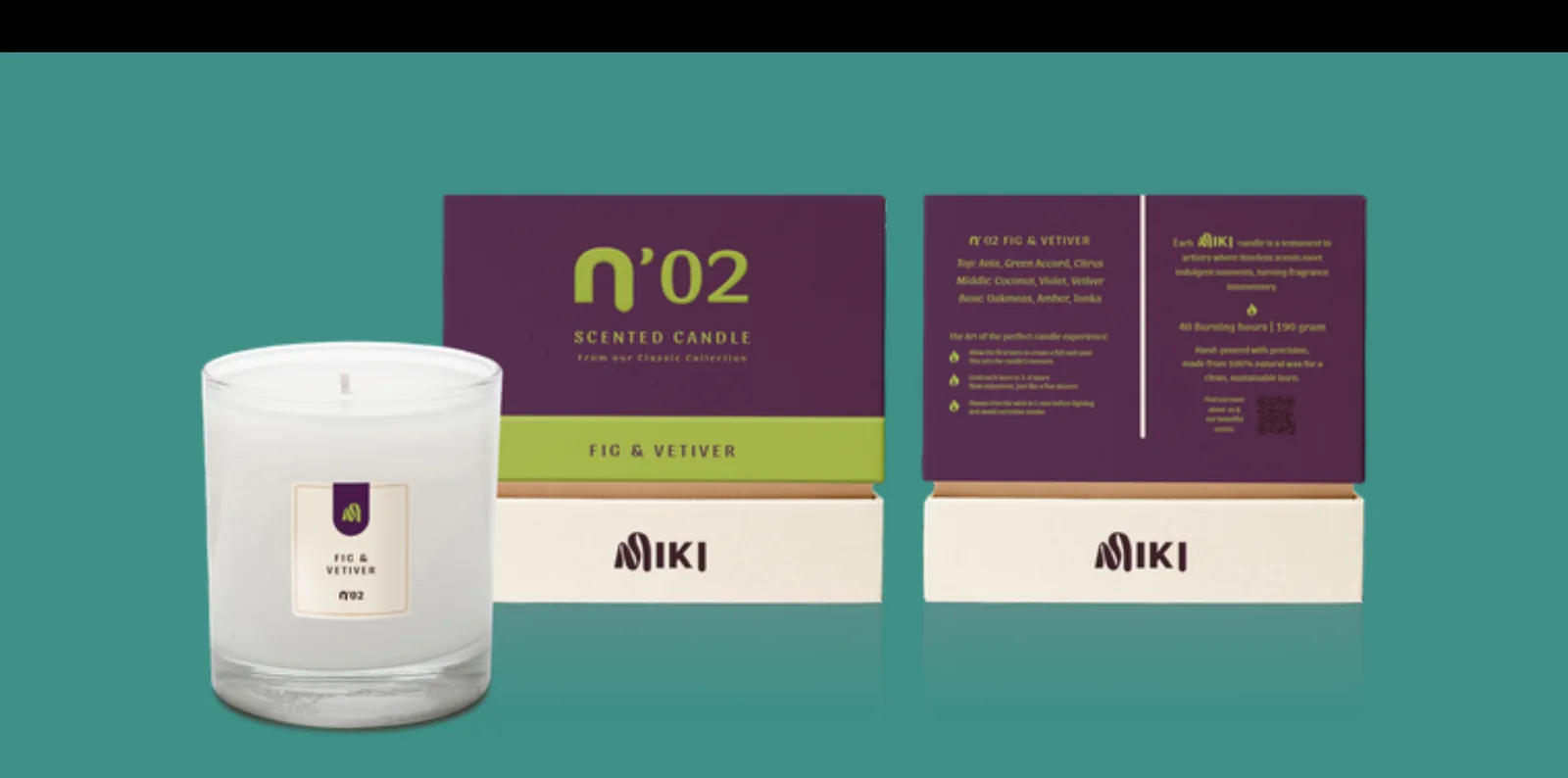
A brand is a promise compressed into a mark, a palette, and a voice. We build identities that work at every scale, from a 12mm favicon to a 3-metre trade show banner. Every project starts with strategy (who you are, who cares, and why) and ends with production-ready files your printer and developer can use without calling us.
How long does a brand identity project take?
Typically 4-6 weeks from kickoff to delivery. Strategy in week 1, concepts in week 2, refinement in weeks 3-4, and production files in weeks 5-6.
What deliverables do I get?
A logo in every format (SVG, PNG, PDF, EPS), a brand guidelines document, and production-ready files your printer and developer can use directly. For packaging, dieline included.
Do I own the final files?
Yes. After the final invoice is paid, all intellectual property transfers to you for the agreed use.
Can you work with our existing brand?
Yes. Not every project needs a full rebrand, we also do brand refreshes, sub-brand identities, and single-asset design (logo only, packaging only, etc.).
The leave-behind that doesn’t get left behind.
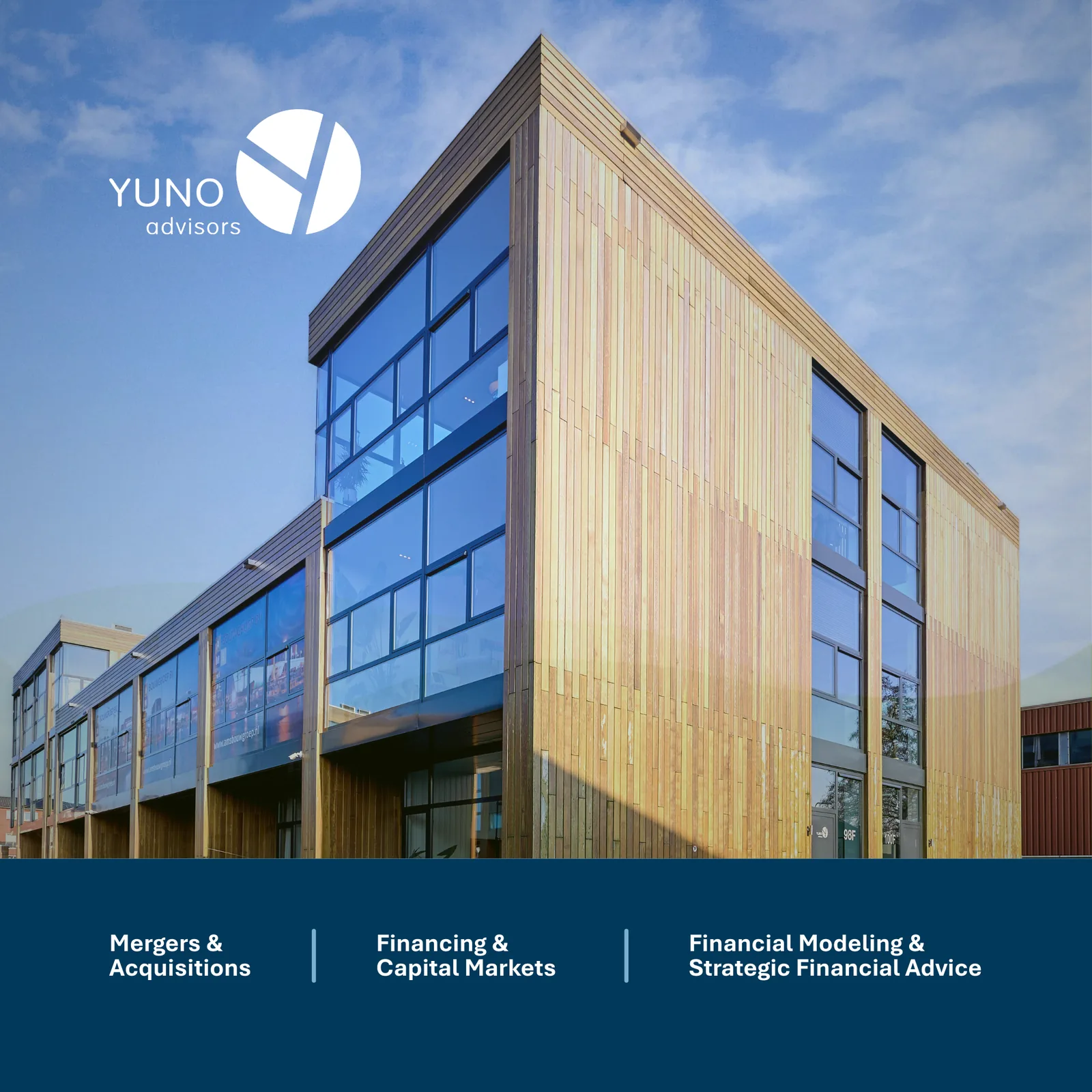
A good brochure earns a second look. We design corporate and product brochures that balance visual impact with scannable structure, because your reader is a busy person who decides in three seconds whether to keep reading. From 8-page digital PDFs to 40-page print catalogues, every layout is built on a modular grid that your team can extend without breaking the design.
Do you handle print production?
Yes. We manage the print quote, paper stock choice, proofing and delivery via our production partners in the Netherlands. Or we deliver print-ready files if you have your own printer.
What formats do you deliver?
Print-ready PDF/X-1a, digital interactive PDF, and (on request) source InDesign or Figma files so your team can extend the layout.
Can I get a shorter or longer version afterwards?
Yes. Every brochure is built on a modular grid, so trimming from 40 pages to 8, or extending to a new market, takes hours not weeks.
Built to load fast, convert faster.
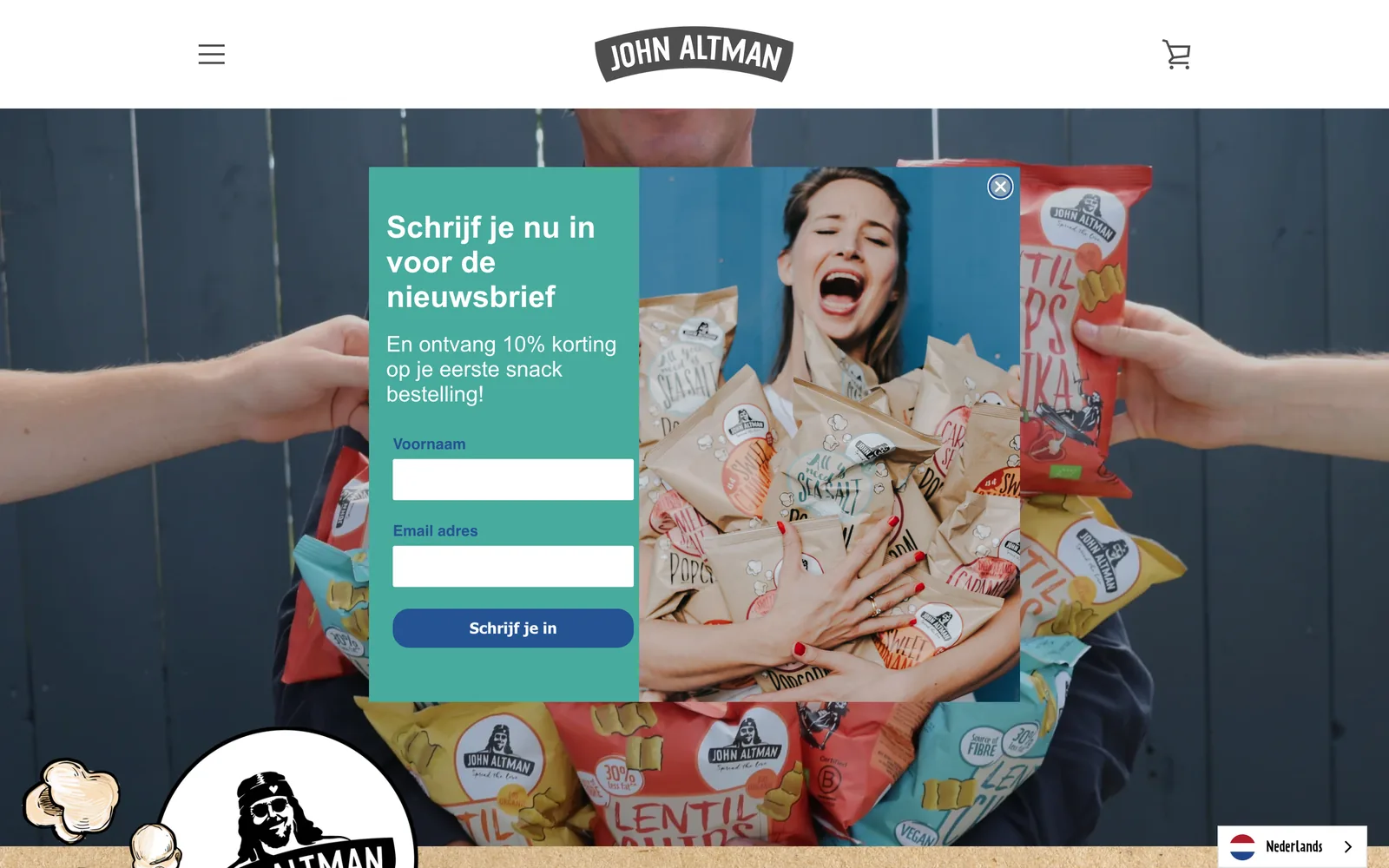
We design and build websites that do their job: attract, inform, and convert. Every site is mobile-first, performance-optimised (Lighthouse 90+ or we’re not done), and structured for the way real people browse: scan, decide, act. Whether it’s a Shopify migration, a campaign landing page, or a full company site, we handle design, development, and analytics setup end to end.
How much does a website cost?
Landing pages start around €2.500. Full company websites typically €7.500-€15.000 depending on pages, integrations, and copywriting. Every project is quoted per scope after a free intro call.
What tech stack do you use?
Astro or Next.js for static/hybrid sites (fast, cheap to host, SEO-friendly), Shopify for e-commerce, and Webflow or WordPress only when the client explicitly needs a visual CMS.
How long does a website take?
A landing page in 2-3 weeks. A full company site in 6-10 weeks. Timeline depends mostly on content readiness: copy and photos are usually the bottleneck, not the build.
Do you handle hosting and maintenance?
We deploy to Netlify or Vercel by default and set up the DNS. Ongoing maintenance can be a monthly retainer or ad-hoc. Most clients need 1-2 hours per month once the site is stable.
Will the site rank well in Google?
We build for it: semantic HTML, meta tags, sitemap, schema.org markup, fast Core Web Vitals. Actual ranking depends on content, backlinks and competition, which is why we recommend pairing a new site with Google Ads for the first 3-6 months.
Every euro tracked. Every click earned.
Google Ads is not a set-and-forget channel. We build and manage campaigns that treat every euro as accountable, from account structure and conversion tracking setup to daily bid management and creative testing. Search, Shopping, and Performance Max campaigns are structured around your margins and buyer intent, not Google’s defaults.
30 minutes. We look at your numbers and tell you straight if Google Ads is the right channel.
Fill in our 10-section form (saves automatically). Goals, budget, products, target audience, everything we need to set up properly.
Account setup, conversion tracking, campaign build, ad copy, keywords. We launch when everything is ready, not before.
Monthly call to review performance. Live dashboard updated daily. Ongoing bid + creative optimisation.
The onboarding form takes 20-30 minutes. Your answers save automatically, start now, finish later.
How much does Google Ads management cost at Pimienta?
Three fixed monthly tiers (Spark, Flame and Blaze), priced transparently on the pricing page. Ad spend is billed directly by Google to your account and is not included in the management fee.
Do I need my own Google Ads account?
If you have one, we work in it. If not, we set one up for you during onboarding.
Is there a minimum commitment?
No lock-in. Month-to-month with 30 days notice. We ask for a fair runway: Google Ads needs 2-4 weeks of data before optimisation kicks in.
When do I see results?
First clicks within hours of go-live. The first 2-4 weeks are a learning phase, because Google's algorithm needs data to optimise. Real performance kicks in week 3-5.
How fast can we launch?
From onboarding form completion to live campaigns in about one week. Setup + tracking + creative in days one to five.
Do you do Shopping and Performance Max?
Yes. We manage full product feeds via Producthero for e-commerce clients, and run Performance Max campaigns alongside Search where the conversion data supports it.
A snapshot of brands we've run Google Ads for. Performance figures available on request.


Scroll-stopping creative meets surgical targeting.
Meta’s platforms reward creative that earns attention and targeting that finds the right people. We handle both. From full-funnel campaign strategy to in-house creative production, audience building, and continuous optimisation, every campaign is designed to deliver measurable results, not just impressions. We test aggressively, kill losers fast, and scale what works.
Do you produce the ad creative too?
Yes. Static image ads, video ads (up to 30s), and carousels are produced in-house. We shoot new UGC-style content if the brand needs it.
Do you install the Meta Pixel?
Yes, Pixel plus Conversions API (server-side) so tracking survives iOS privacy changes and ad blockers. Setup is part of onboarding.
Which is more effective, Facebook or Instagram?
Depends on the audience. B2C brands often skew Instagram-heavy; local services and older audiences convert better on Facebook. We run both by default and let the algorithm allocate.
How much budget do I need to start?
Realistic minimum €30/day for a single campaign to learn. €50-100/day per market gives Meta enough data to optimise properly within the first two weeks.
A snapshot of brands we've run Meta Ads for. Performance figures available on request.


B2B leads without the B2B boredom.
LinkedIn is where B2B deals start, but most ads on the platform are forgettable. We build campaigns that break through the corporate monotony with sharp creative, precise audience segmentation, and lead gen forms designed to capture qualified prospects, not just contacts. From awareness to pipeline, every campaign is structured to deliver leads your sales team can actually close.
What kind of budget makes LinkedIn Ads viable?
LinkedIn CPCs are 3-5x higher than Meta. Realistic minimum €50-75/day per campaign; €3.000-5.000/month gives enough signal for a proper B2B pipeline test.
Do you use Lead Gen Forms or drive traffic to a landing page?
Both, depending on the offer. Lead Gen Forms deliver higher volume + lower cost per lead; landing pages deliver more qualified leads. We often A/B them in parallel.
Can you target specific companies?
Yes, LinkedIn allows account-based targeting by company name, industry, size, and seniority. Ideal for B2B account-based marketing (ABM).
How do you measure success?
Marketing Qualified Leads (MQLs) delivered, cost per MQL, and, where the CRM supports it, pipeline value and closed-won attributed to LinkedIn.
A snapshot of brands we've run LinkedIn Ads for. Performance figures available on request.


Be the answer, not another blue link.
ChatGPT Ads put your brand inside the conversation people are already having with AI, at the exact moment they are researching, comparing or ready to buy. Ads are now live in Europe and we have launched our first client campaign. We handle the full setup: placement strategy, prompt-context targeting, creative that reads as helpful rather than intrusive, and conversion tracking that maps AI-assisted intent back to your funnel.
Are ChatGPT Ads available in Europe?
Yes. Ads are live in Europe and we have already launched our first client campaign. We can set up and run campaigns now, not at some point in the future.
How is ChatGPT Ads different from Google Ads?
Google Ads match keywords in a search query. ChatGPT Ads match the intent and context of a full conversation. Instead of buying "orthodontist Amsterdam", you show up when someone asks ChatGPT "how do I find a good orthodontist in Amsterdam".
What does the creative look like?
Native to the ChatGPT interface: helpful, contextual, and clearly labelled as sponsored. Think product recommendation cards inside an answer, not banner ads.
What budget do I need to start?
It is a new channel, so we usually start small to learn what works before scaling. We will give you a realistic starting budget for your market after the intro call.
Is it worth being early?
Competition is low right now because most advertisers are not there yet. That usually means lower costs per click than in mature channels. How long that lasts is anyone's guess, which is exactly why early testing is useful.
Get found when people ask AI instead of Google.
More and more buyers start with ChatGPT, Perplexity or Google AI Overviews instead of a search box. If those tools do not know your brand, you are invisible in a channel that is growing fast. Generative Engine Optimization (GEO) makes sure AI assistants can find, understand and quote your business. It is the new layer on top of SEO, and most companies have not touched it yet.
What is GEO exactly?
Generative Engine Optimization. Where SEO aims to rank in a list of blue links, GEO aims to be cited inside an AI-generated answer. Different mechanics, same goal: being found when someone is looking for what you sell.
Is this not just SEO?
There is overlap, but the rules differ. Google rewards authority and links. AI assistants reward content that answers a question directly, with concrete facts they can quote. A page that says "competitive rates" gets ignored; a page that says "from €399 per month" gets cited.
How do I know if it is working?
Two ways. We measure AI-assistant traffic in GA4, which now has its own channel for it. And we test real prompts in ChatGPT, Perplexity and Gemini to see whether your brand comes up and what is said about it.
How long does it take?
The technical side is a one-off job of a few days. The content and citation side builds over months, because AI models need to re-crawl and re-learn. Expect first measurable movement after four to eight weeks.
Does this replace Google?
No. Google is still the largest channel by far. GEO is about not missing the one that is growing next to it.